What a sports complex feasibility study includes
A useful feasibility study connects market demand to facility programming and financial outcomes. It should help ownership understand what the project can support, where the risks are, and what assumptions need further validation.
Market demand
Identify user groups, teams, leagues, training demand, event potential, and competing facilities.
Facility program
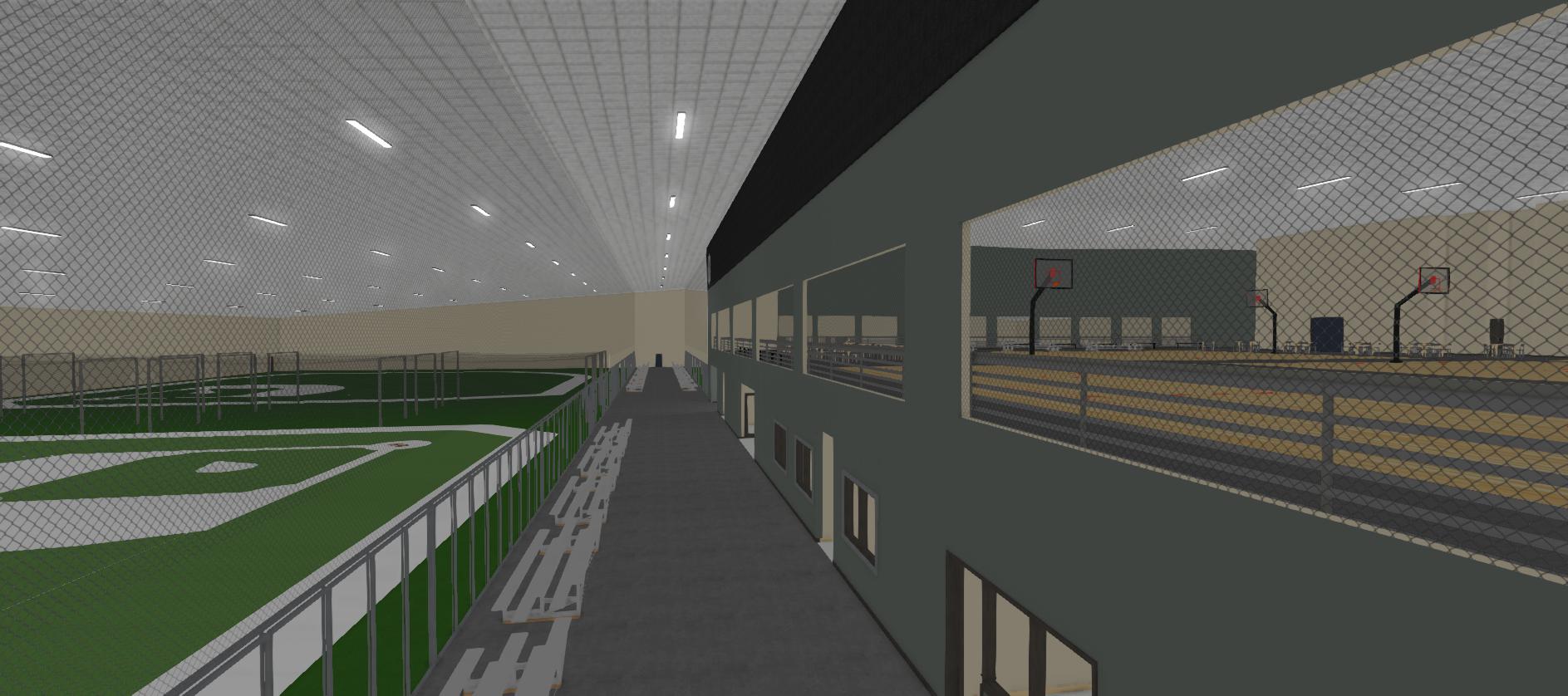
Review what mix of fields, courts, support spaces, and amenities fits the market.
Financial assumptions
Model revenue streams, operating costs, staffing, startup needs, and sensitivity scenarios.
Operations risk
Evaluate scheduling, management, maintenance, customer experience, and utilization challenges.
Why feasibility matters early
Sports facilities are complex businesses. Feasibility work helps owners avoid committing to a concept based on incomplete assumptions. It also gives lenders, partners, and stakeholders a clearer picture of how the facility is intended to perform.